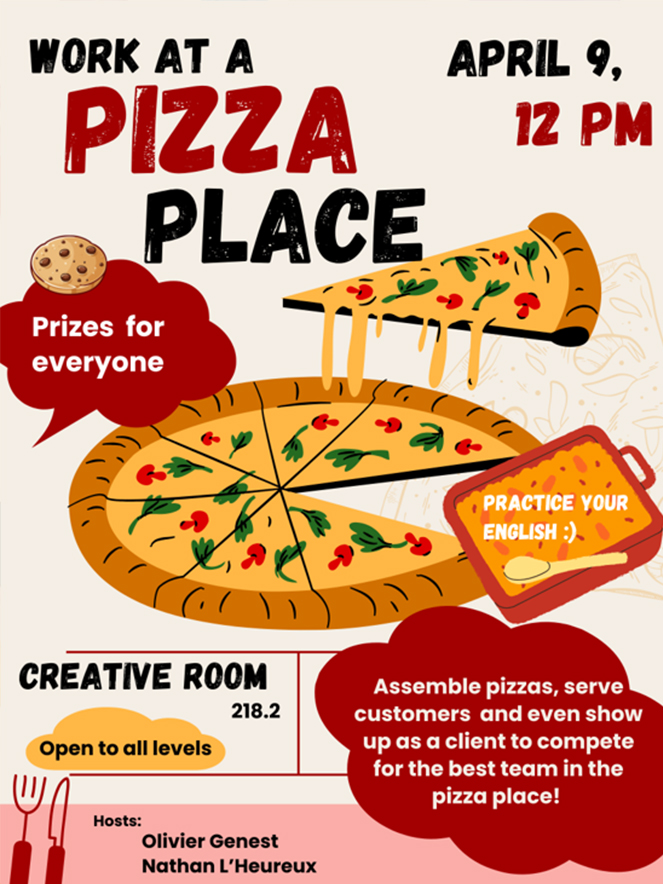
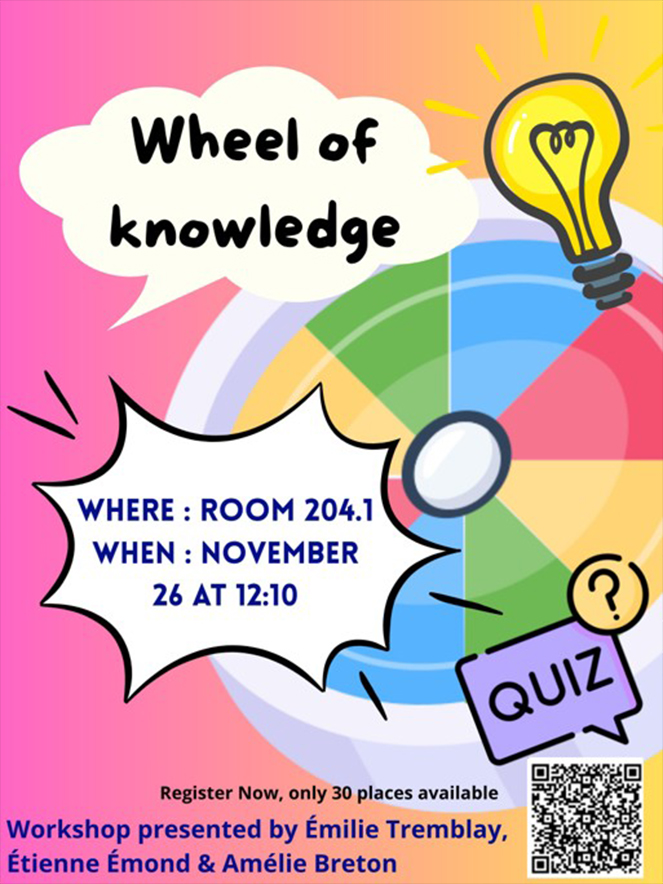
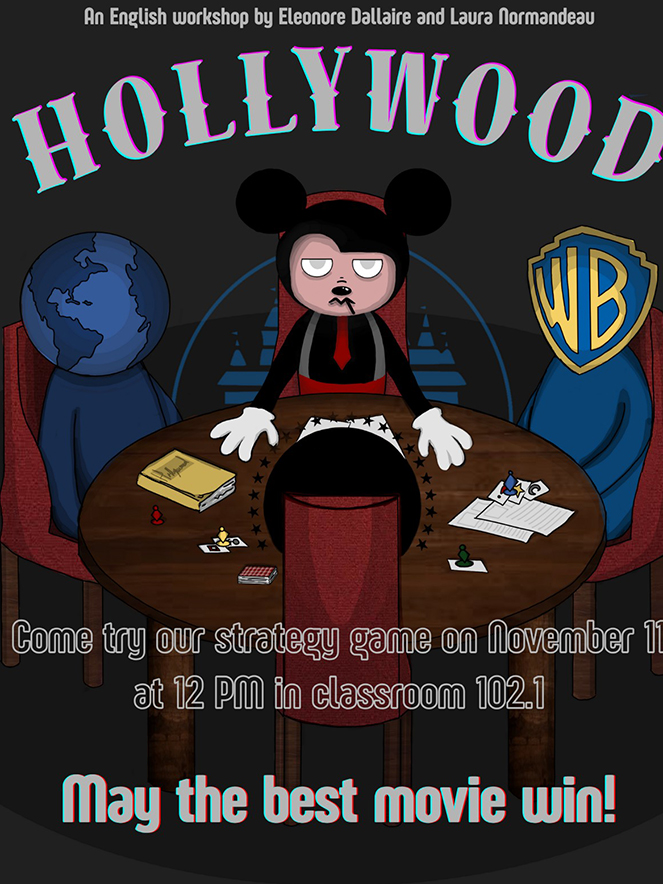
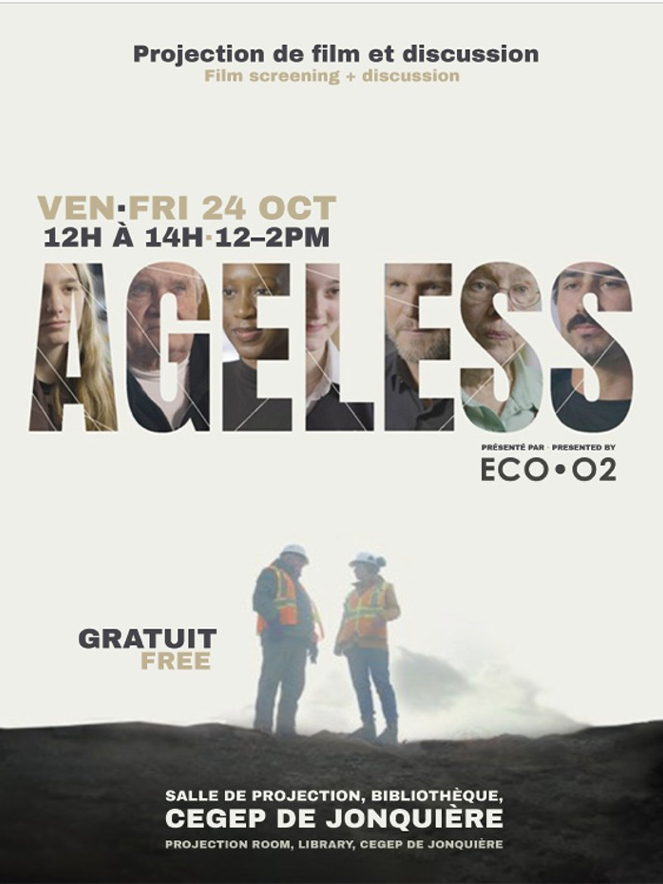
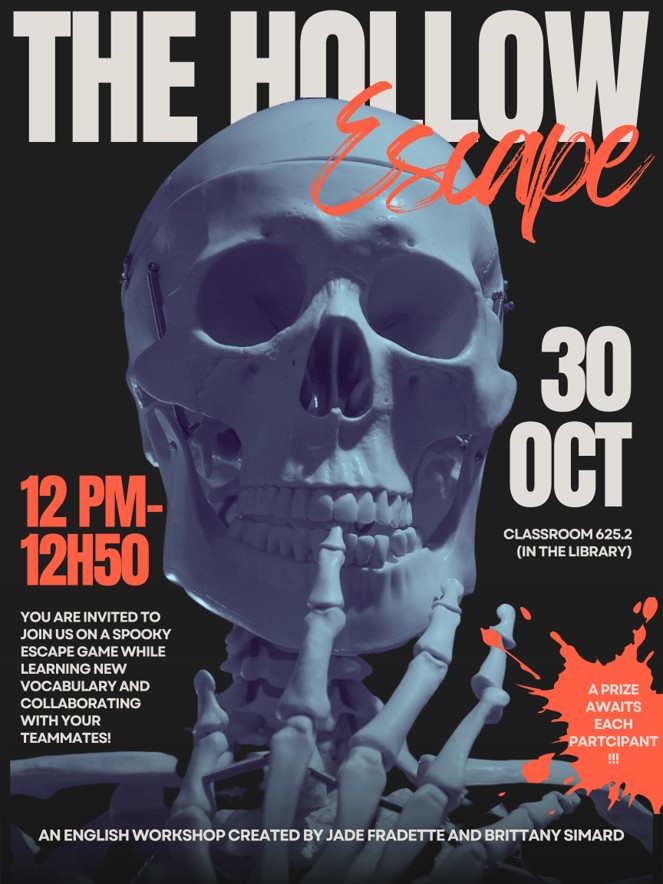
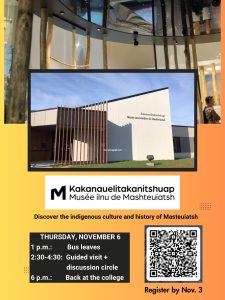
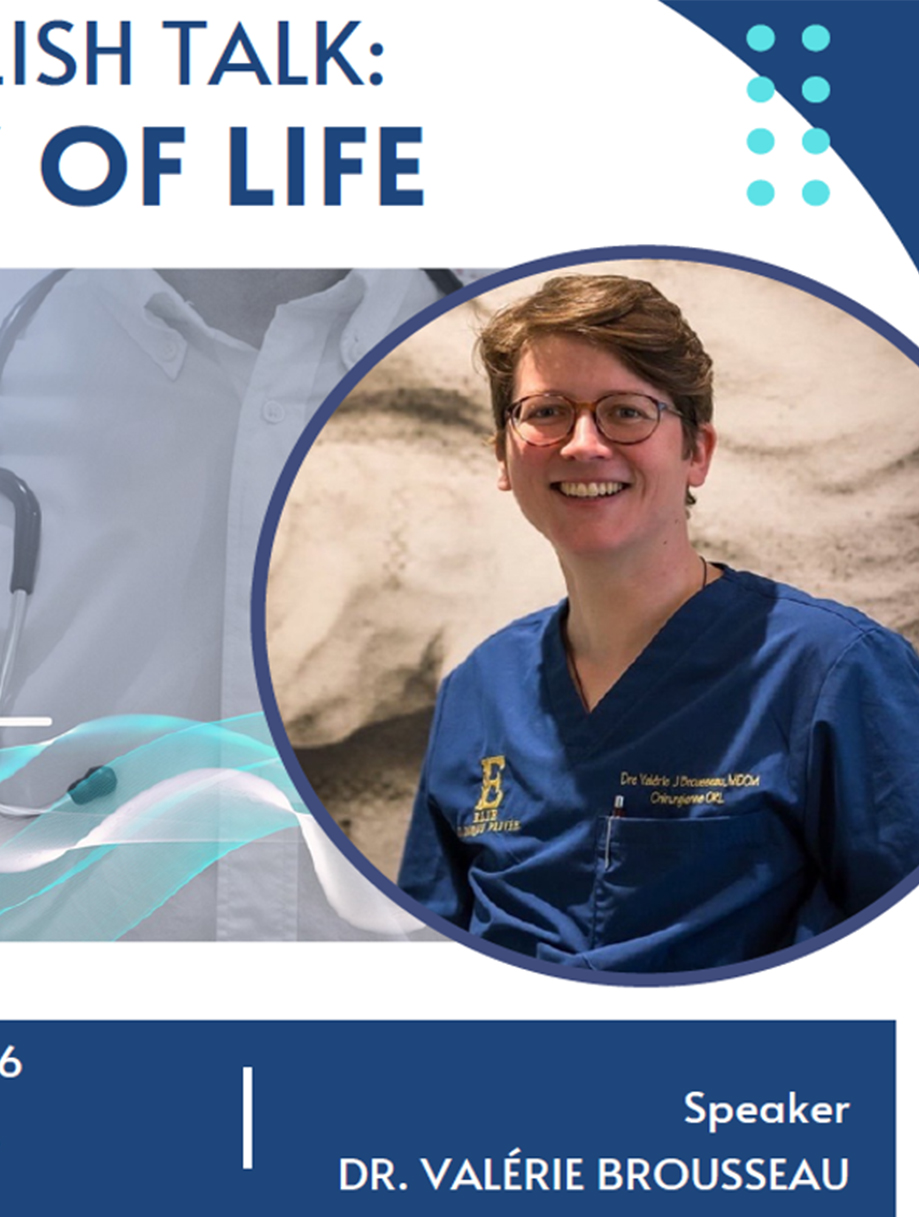
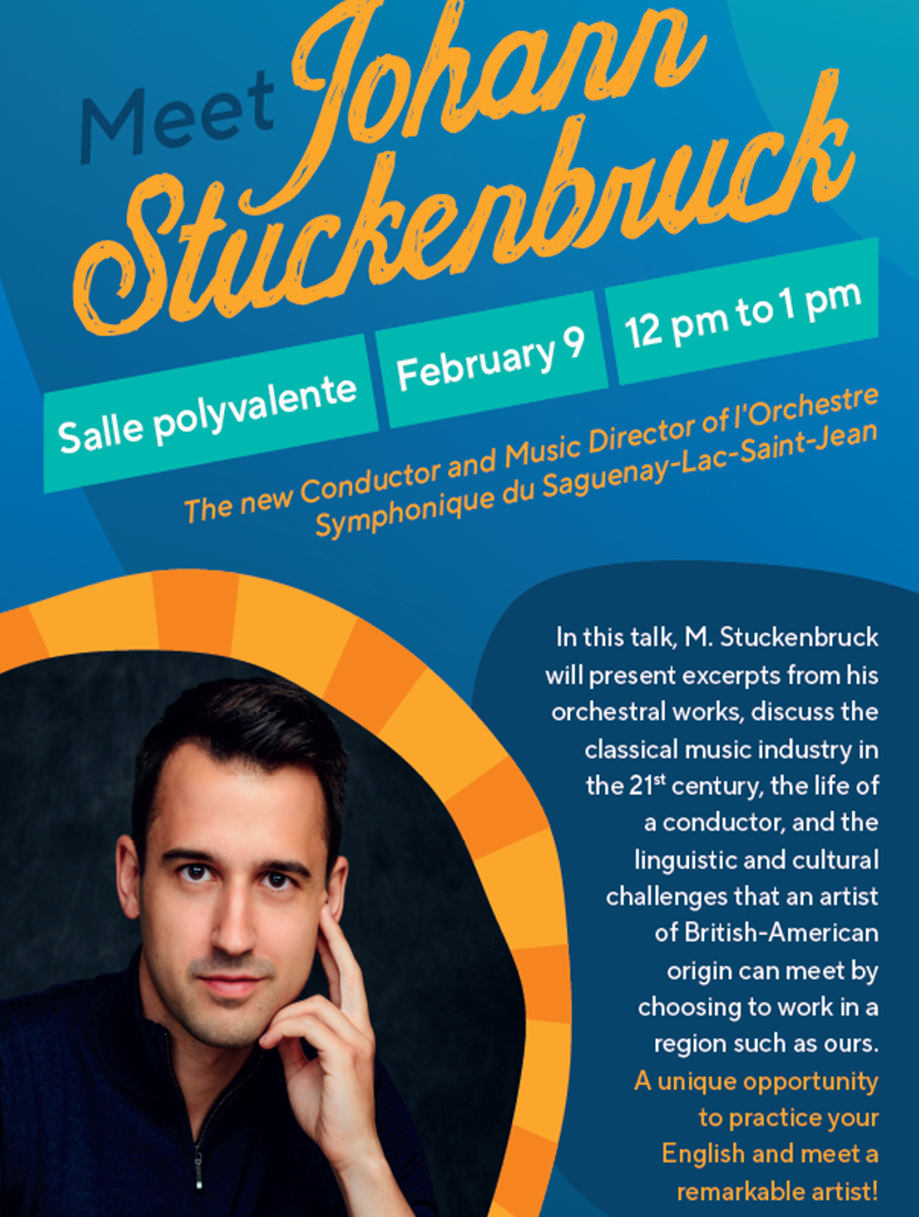
Posters presenting the 5 conferences
Outcomes and student feedback
Participation
Getting students to participate required some promotion. We advertised the workshops and activities in classrooms and put up posters around the college.
Teachers also experimented with different ways to encourage participation. Some offered bonus points, some awarded up to 5% for participation, while others adapted their course plans to let students attend activities to replace in-class speaking assignments. The latter proved most effective, and students appreciated the flexibility!
Incentives helped attract participants, but they weren’t the whole story. We collected feedback through short surveys after each activity. Some students came simply to have fun and practise their English, or because they were interested in the activity itself, rather than solely for course credit.
Participation was strong throughout the year. We welcomed 184 participants in the fall and 173 in the winter. Students in different ESL course levels (100, 101, 102, and 103) took part.
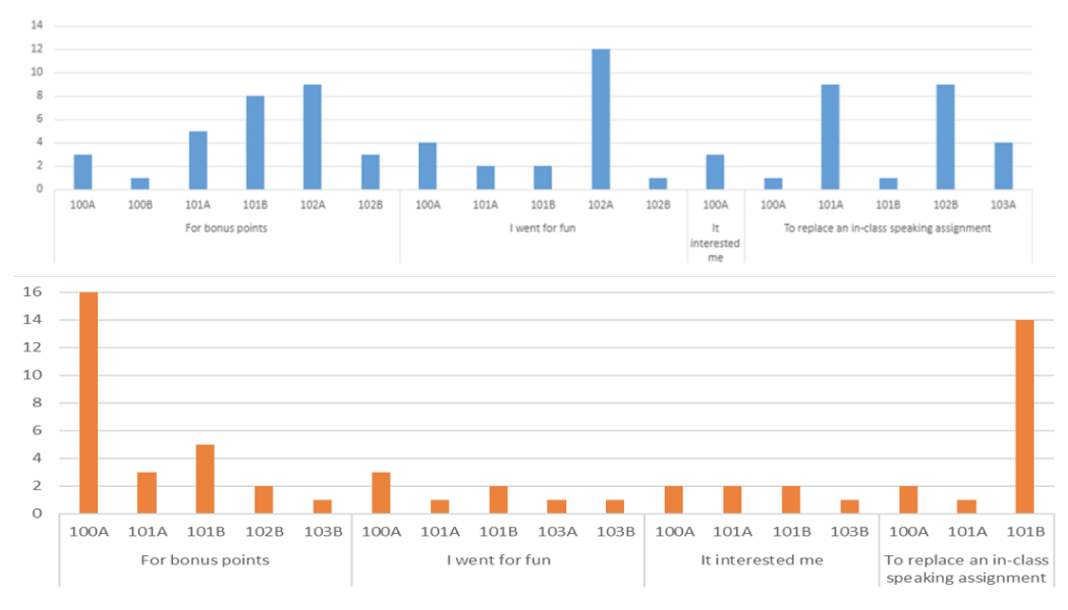
Students’ reasons for participating in activities during the fall and winter semesters
Willingness to communicate
One question in our surveys asked students to reflect on whether they:
- communicated in English as much as they wanted to
- communicated more than they had expected to
- wished they had communicated more
We were particularly interested in the 2nd response, as it indicated students’ willingness to communicate. One of our main goals was to encourage students to speak more English than they normally would, especially in contexts where they might not otherwise use the language.
The results were encouraging: 41% of students in the fall and 24% in the winter reported speaking more English than expected. We believe this difference may be related to the types of activities offered. The fall semester featured more interactive workshops, particularly the collective kitchen, while the winter included more conferences.
Overall appreciation
Students also rated their overall satisfaction with the activities on a 5-star scale. The results were very positive across both semesters: 5 stars was the most common rating, followed by 4 stars. This suggests that students generally enjoyed the activities and valued the opportunities to practise English outside the classroom.
Teamwork makes it possible
The project really showed us the importance of teamwork. We each brought different strengths to the table:
- Jean-Michel had experience working with tutors, organizing workshops, and promoting activities.
- Stephanie brought her experience with ECQ projects, surveys, and reporting. Her journalism background also helped us connect with guest speakers.
- Olivia, a newer teacher, contributed fresh ideas, enthusiasm, and creativity while gaining valuable experience along the way.
A project like this is difficult for one teacher to manage alone. Working as a team allowed us to share responsibilities, support one another, and involve colleagues, student tutors, and community organizations.
ECQ funding made this collaboration possible. It covered our release time for planning and coordination, transportation for outings, activity-related expenses, and prizes. Just as importantly, it gave us the time and flexibility to build partnerships and coordinate activities. By pooling our strengths and sharing the workload, we could offer students a much wider range of opportunities to use English beyond the classroom.
A new project for 2026-2027: The Public Speaking Club
Building on our previous experience, we are launching a new initiative to help students gain confidence speaking English in front of others. This time, we are taking collaboration a step further by bringing together students from different CEGEPs through an intercollegiate public speaking club.
The pilot project currently involves 3 CEGEPs in the Saguenay-Lac-Saint-Jean region:
- Cégep de Jonquière (12 students)
- Cégep de Chicoutimi (10 students)
- Cégep de Saint-Félicien (7 students)
Throughout the semester, students will take part in 7 workshops, held approximately twice a month, where they will practise public speaking, spontaneous discussions, and prepared speeches. Club members will also visit regular English classes to lead activities for their peers.
We are also planning 2 regional galas, one in the fall and another in the winter. These gatherings will bring everyone together for a friendly dinner, spontaneous debates and discussions, and prepared speeches delivered before an audience. Finally, all participants will have the opportunity to go on a 4-day trip to Ottawa to immerse themselves in an English-speaking environment.
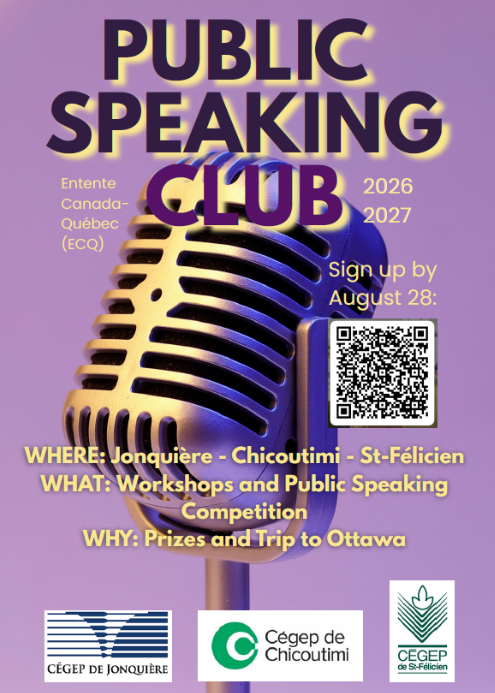
Poster promoting the Public Speaking Club
An invitation to other CEGEPs
We hope this pilot project is just the beginning! We would love to hear from other CEGEPs interested in joining the initiative. What has started as a regional collaboration could grow into a provincial collaboration across the college network. If you are interested in this project, please reach out. Who knows where this could lead?
Conclusion
We hope our experience inspires other teachers to create opportunities for students to use English outside the classroom. Have you tried something similar, or are you thinking about starting a project of your own? Share your ideas or experiences in the comments. We’d love to hear from you!